


Winthrop Wildlife: The Flora and Fauna of Methow Valley
Who is this article for? Nature lovers looking to learn more about the native flora and fauna around Winthrop, Washington.
Jump to a Section:
By now, everyone knows that spending time outside is good for you. Breathing in fresh air, soaking in sunshine, and taking in the beauty of nature boost your mood and help you relax. If you’re looking for a beautiful place to immerse yourself in nature’s beauty, you should visit Winthrop, Washington.
Located in Methow Valley in the North Cascade Mountains, Winthrop is surrounded by stunning wildlife all year round. Whether you’re planning a summer vacation or a winter holiday, here are some plants and animals you can see all year in Winthrop.
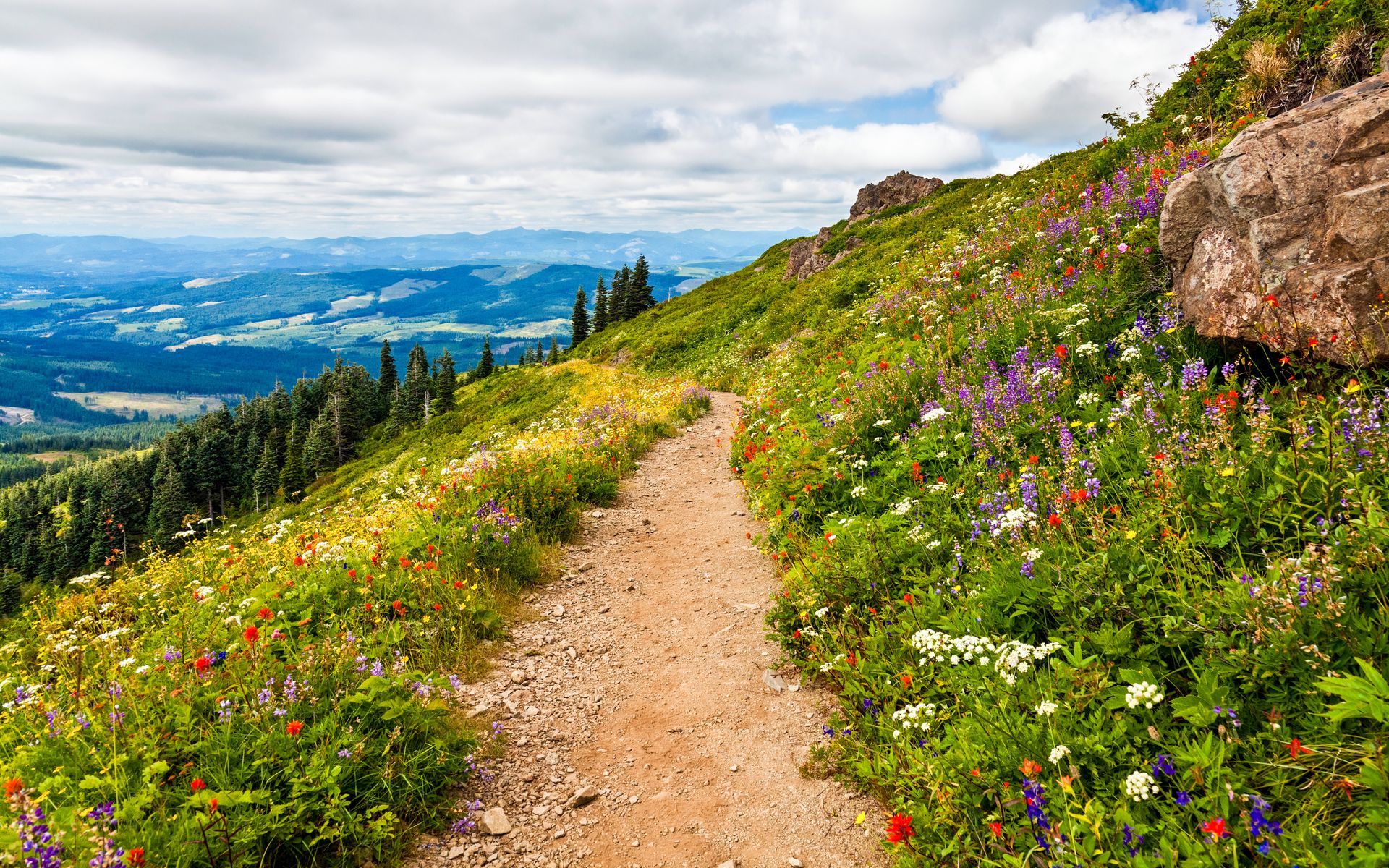
Spring in Winthrop: Life in Bloom
Spring in the Methow Valley is a time of awakening. Snow begins to melt, rivers swell with fresh runoff, and life returns to the valley. There are
signs of new growth everywhere, from budding plants to baby birds chirping in the trees. It’s a fresh season full of hope and wonder. Here are some of the wildlife you might see throughout the spring in Methow Valley.
Spring Plants
- Yellow Bells: Tiny yellow lilies tucked among sagebrush
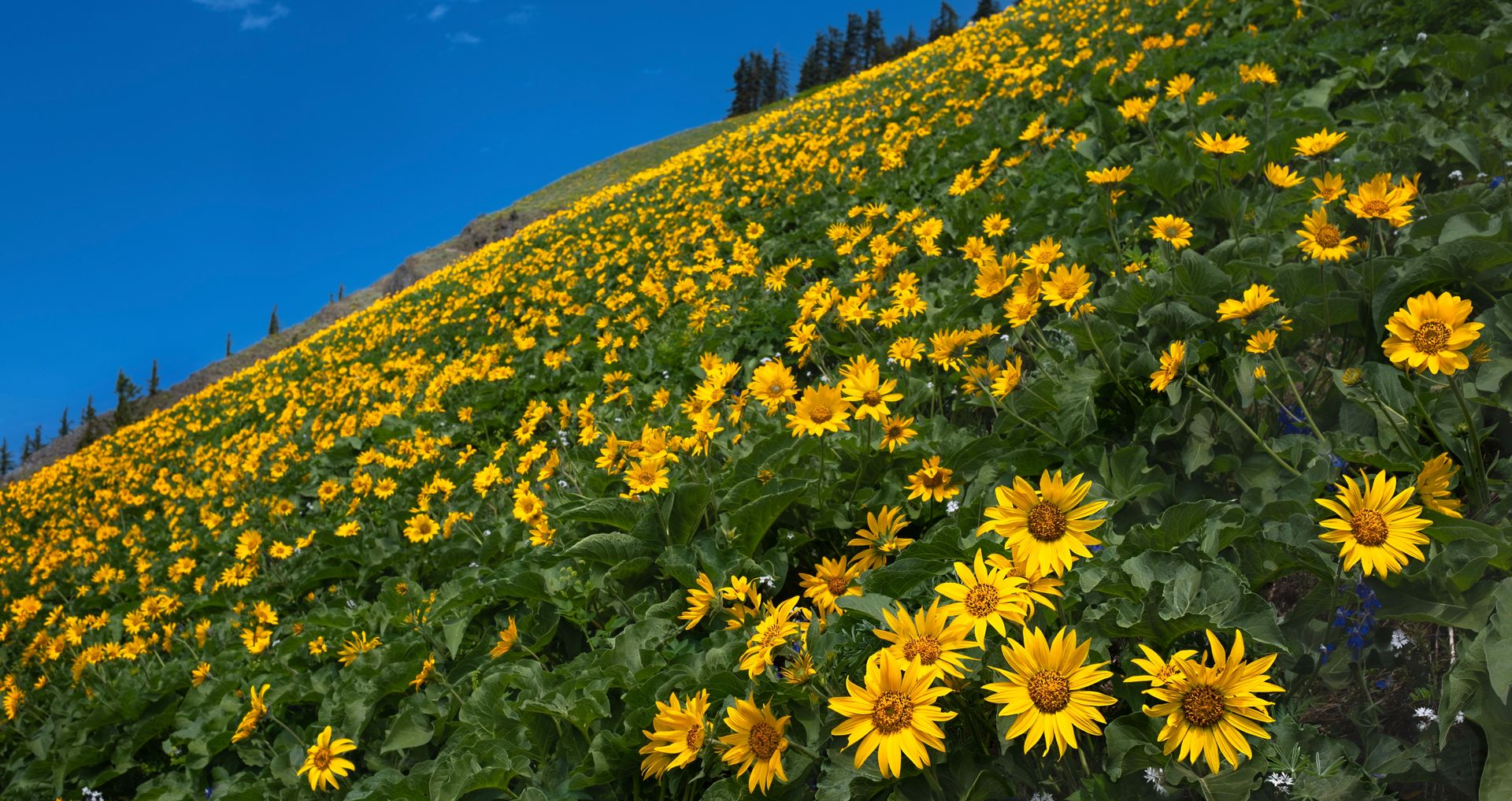
- Sagebrush Buttercup: Cheerful yellow blooms against silvery-green leaves
- Bluebells: Delicate blue and violet bell-shaped flowers
- Prairie Stars: Small pink and white blossoms with starry petals
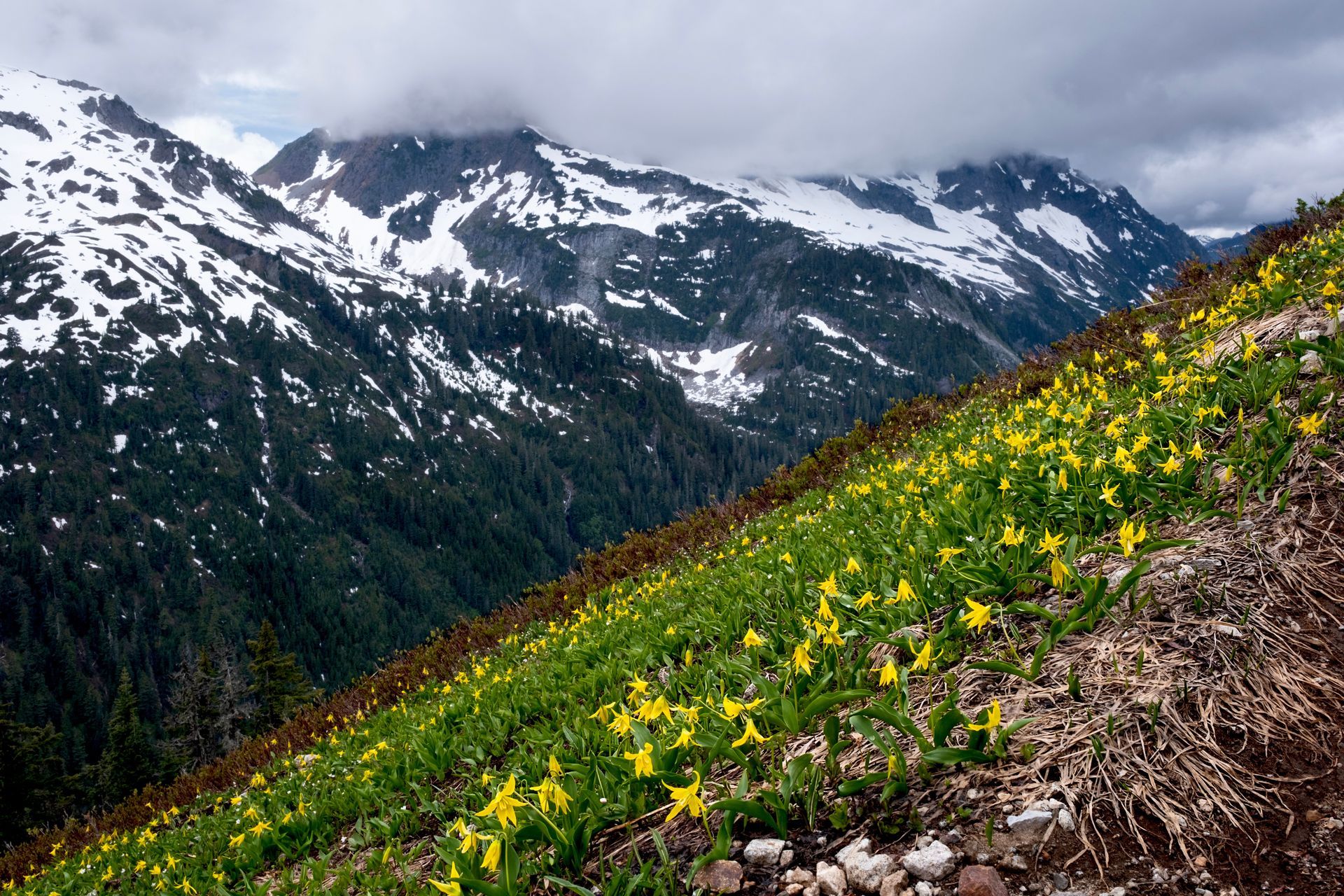
- Glacier Lily: (aka“Avalanche lilies”) Bright yellow flowers with upturned petals
- Pussytoes: Low-growing plants with little, white flowers that look like tiny cat paws
Spring Animal Sightings
- Early Pollinators: Native bees and butterflies start to emerge
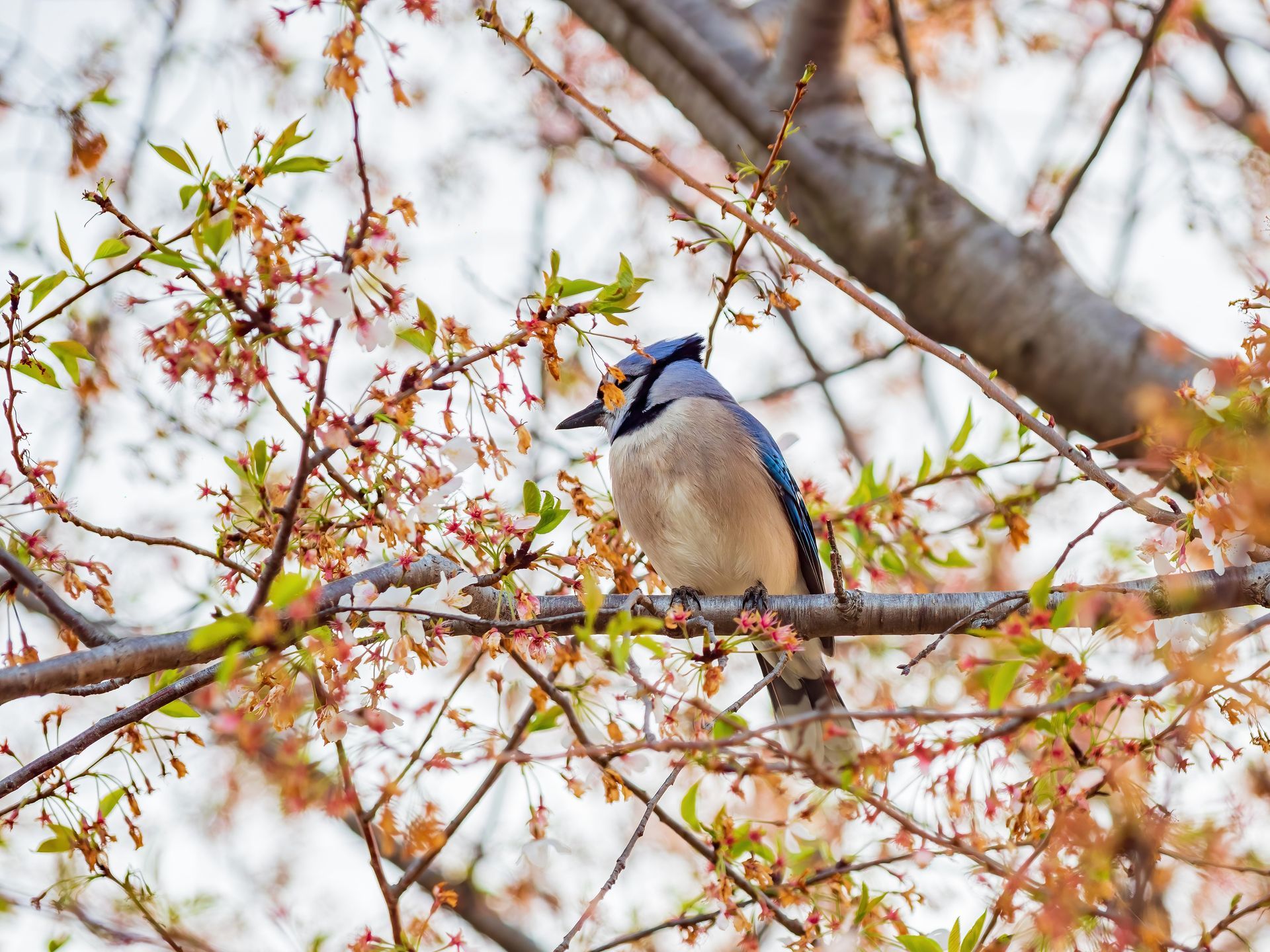
- Migratory Birds: Mountain bluebirds, western bluebirds, and red-winged blackbirds return to build their nests
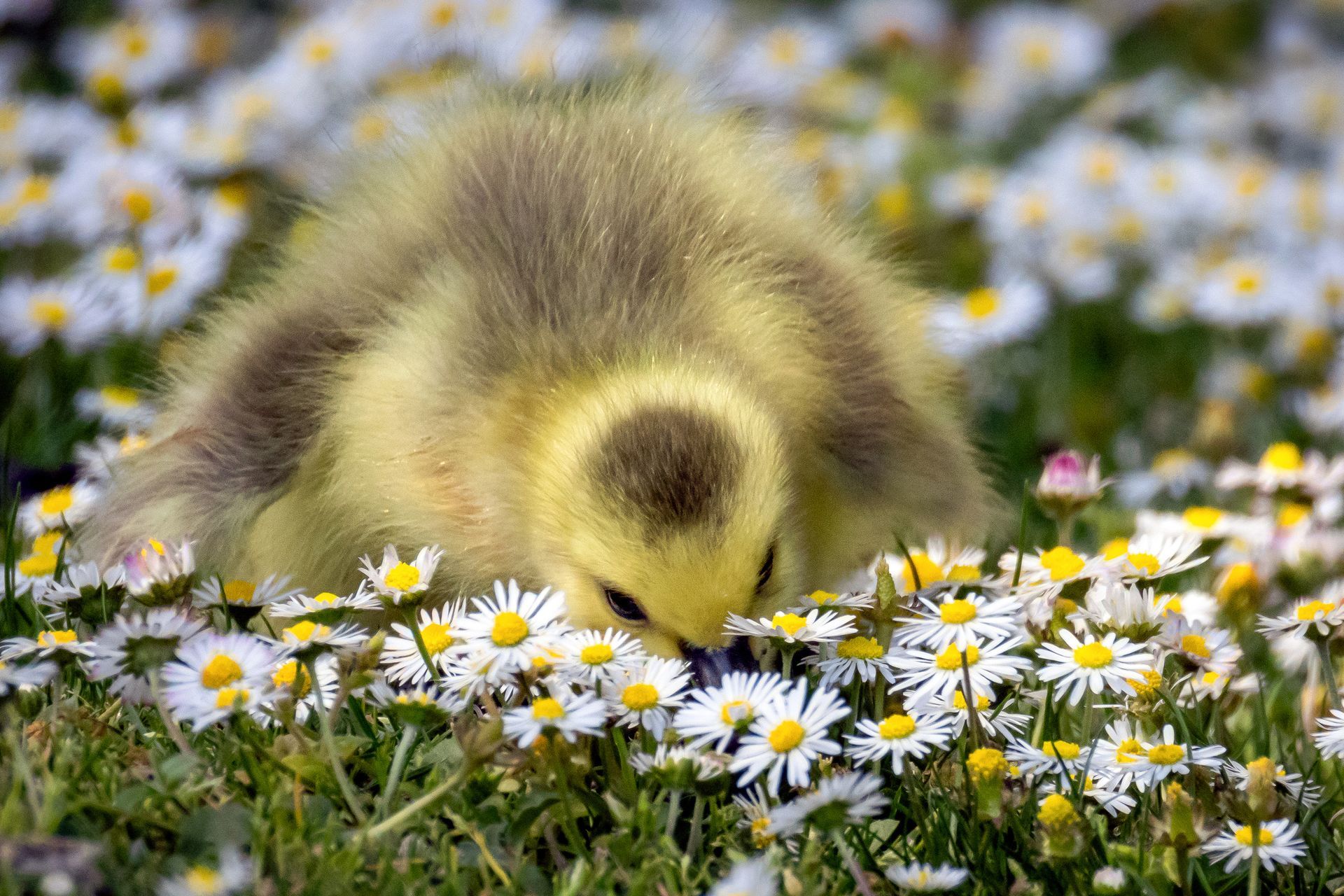
- Waterfowl: Swans and ducks gather in wetlands and waterways to mate
- Mule Deer: One of the region’s largest mule deer herds migrates through Methow Valley
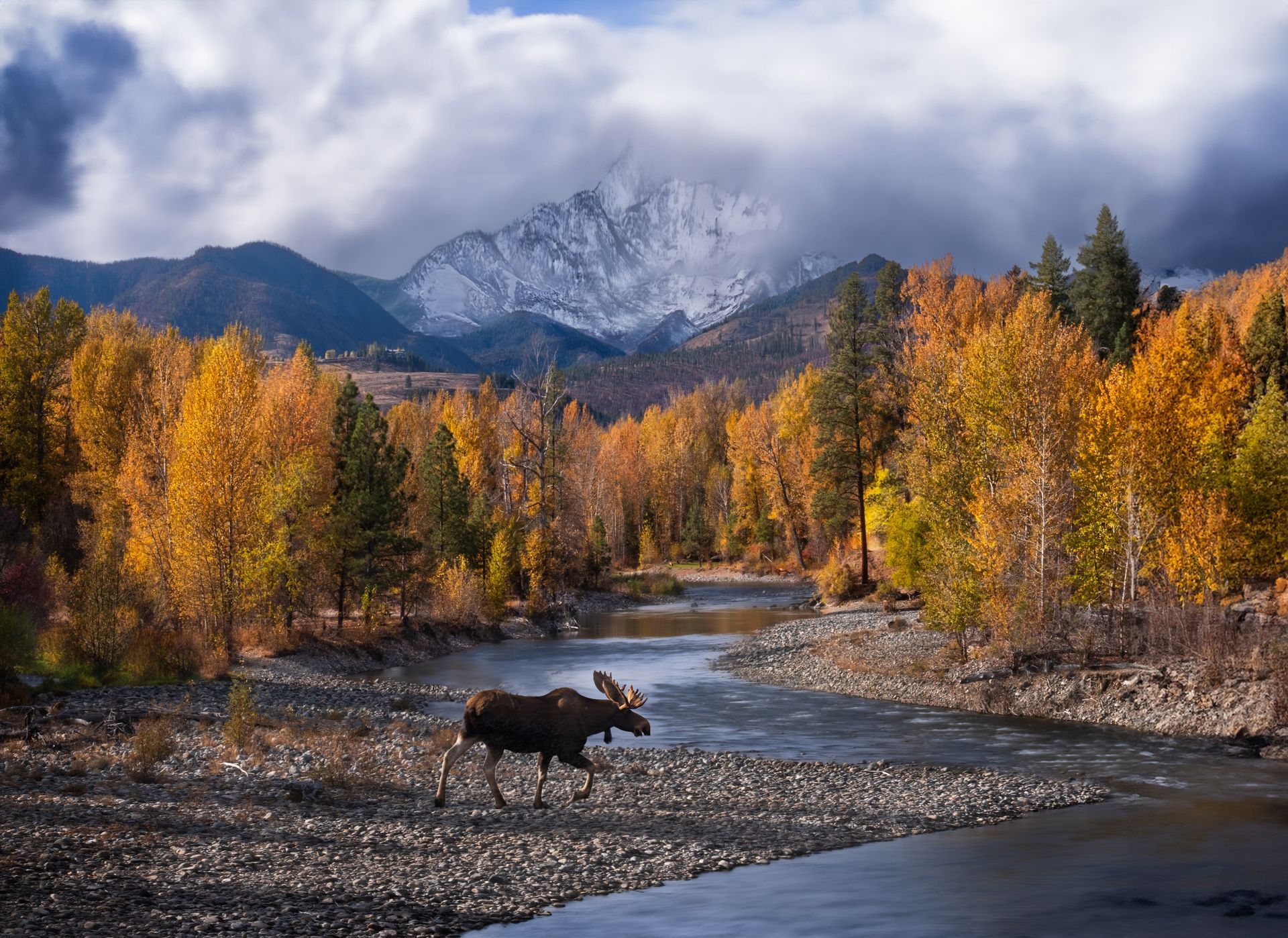
- Moose: Often spotted browsing in riparian areas
- Predators: Black bears and cougars begin emerging after winter
Springtime Activities
- Birdwatching Bingo: Create a card and watch the trees and skies for feathers
- Listen to the Birds: Practice identifying birdsongs on early morning walks
- Wildflower Photography: Capture the season by photographing wildflowers. You can also try pressing a few flowers to preserve their beauty
Summer in Winthrop: Alive and Thriving
If spring is the season of new life, summer is the height of life in the North Cascades. The Long, warm days allow plants and animals to flourish, making it one of the most vibrant times to explore the valley. The plants are at their fullest, the animals are active, and even the city of Winthrop is at its busiest. It really is a season full of life.
Summer Plants
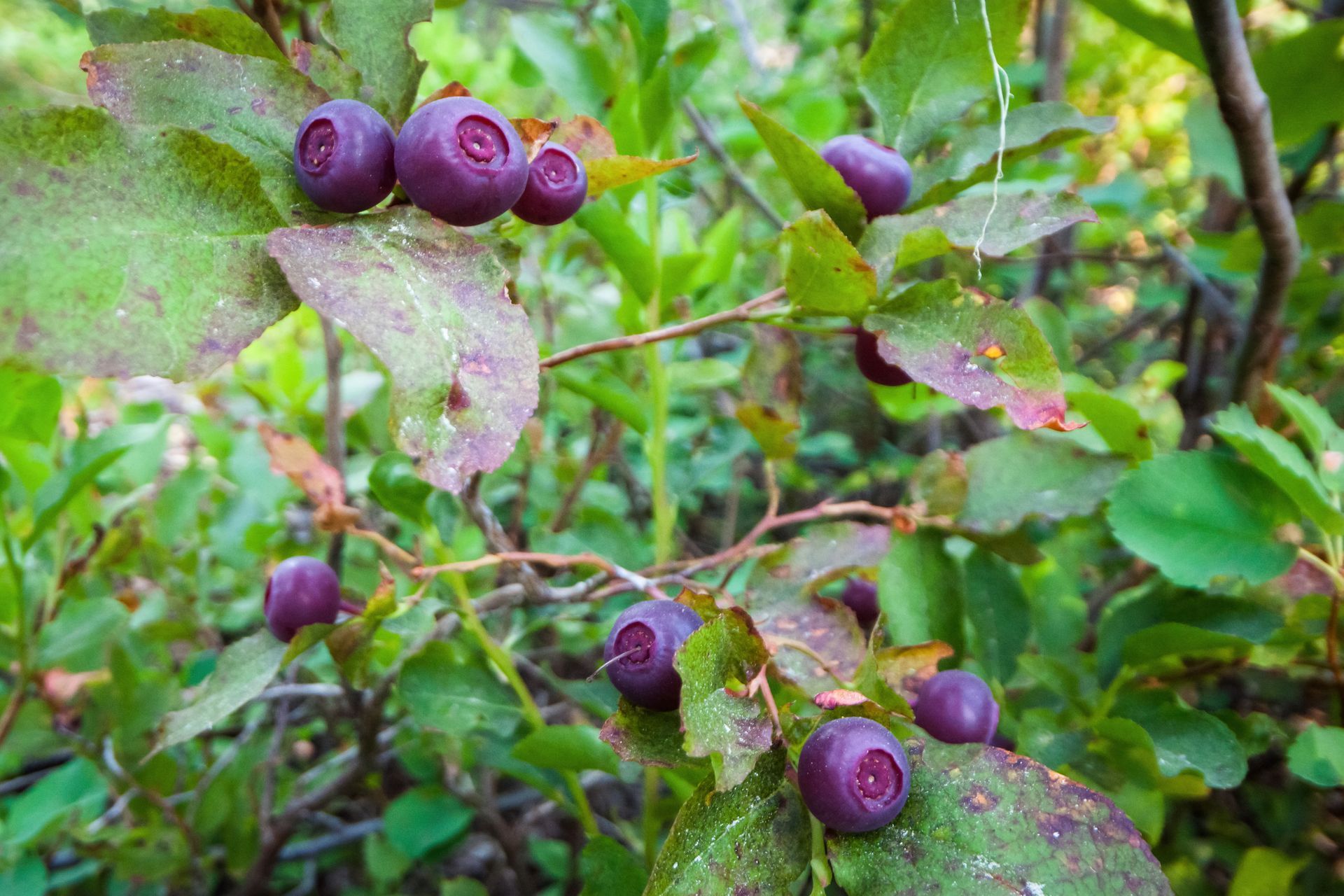
- Wild Berries: Thimbleberry, huckleberries, black raspberries, serviceberries, and chokeberries are all at peak ripeness
- Wood’s Rose: Small, simple, sweet-scented wild roses fill the forests
- Buckwheat: Various species of buckwheat bloom across the region
- Lupine: Vibrant purple cones bloom in late spring and early summer
- Sagebrush Mariposa Lily: Beautiful purple or pink flowers with striking petals
- Pussytoes: Low-growing plants with little, white flowers that look like tiny cat paws
Summer Animal Sightings
- Summer Pollinators: Dragonflies and damselflies join the bees and butterflies
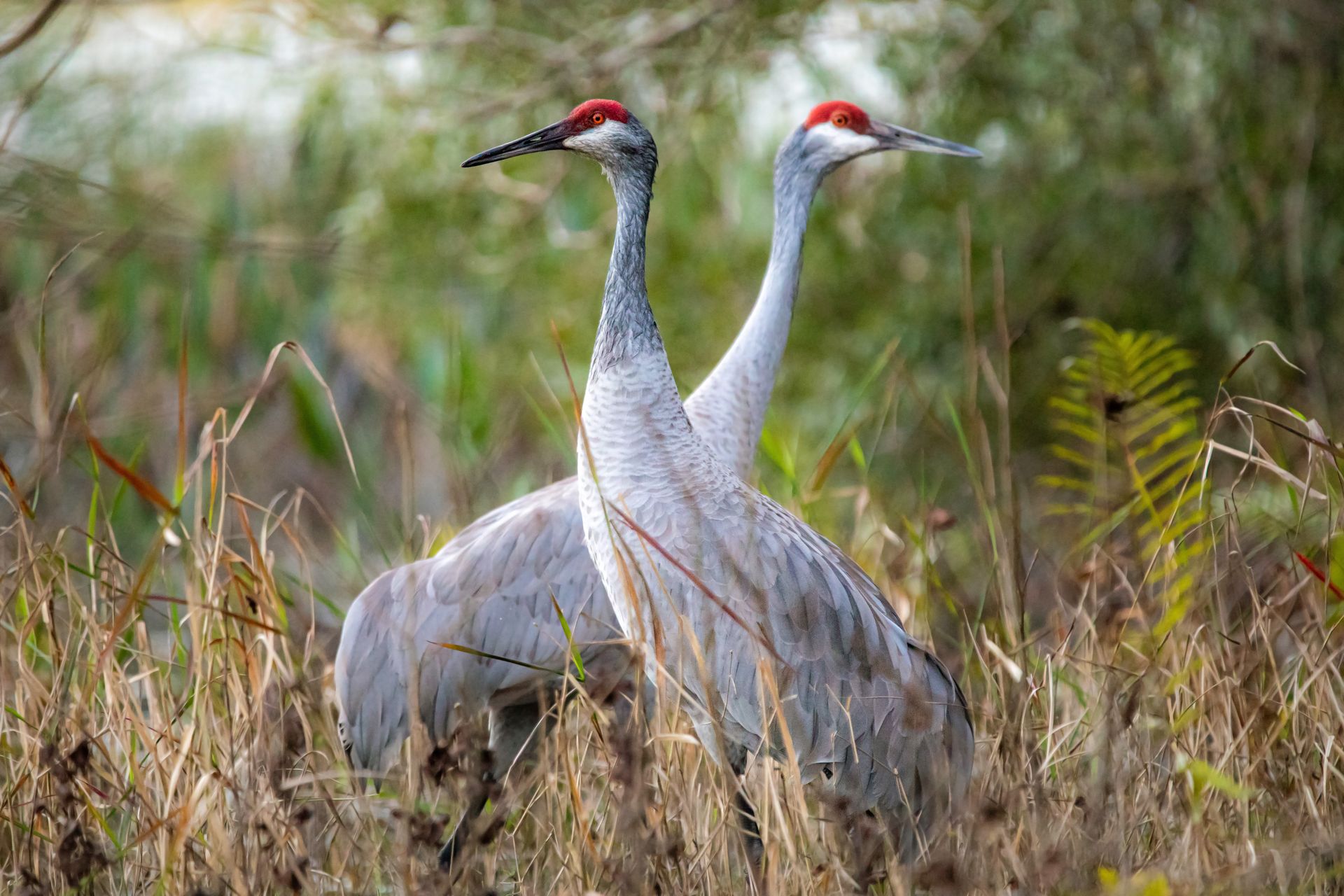
- Waterbirds: A pair of nesting sandhill cranes is often spotted nesting in the valley
- Reptiles: The warm days bring snakes and lizards out of hibernation
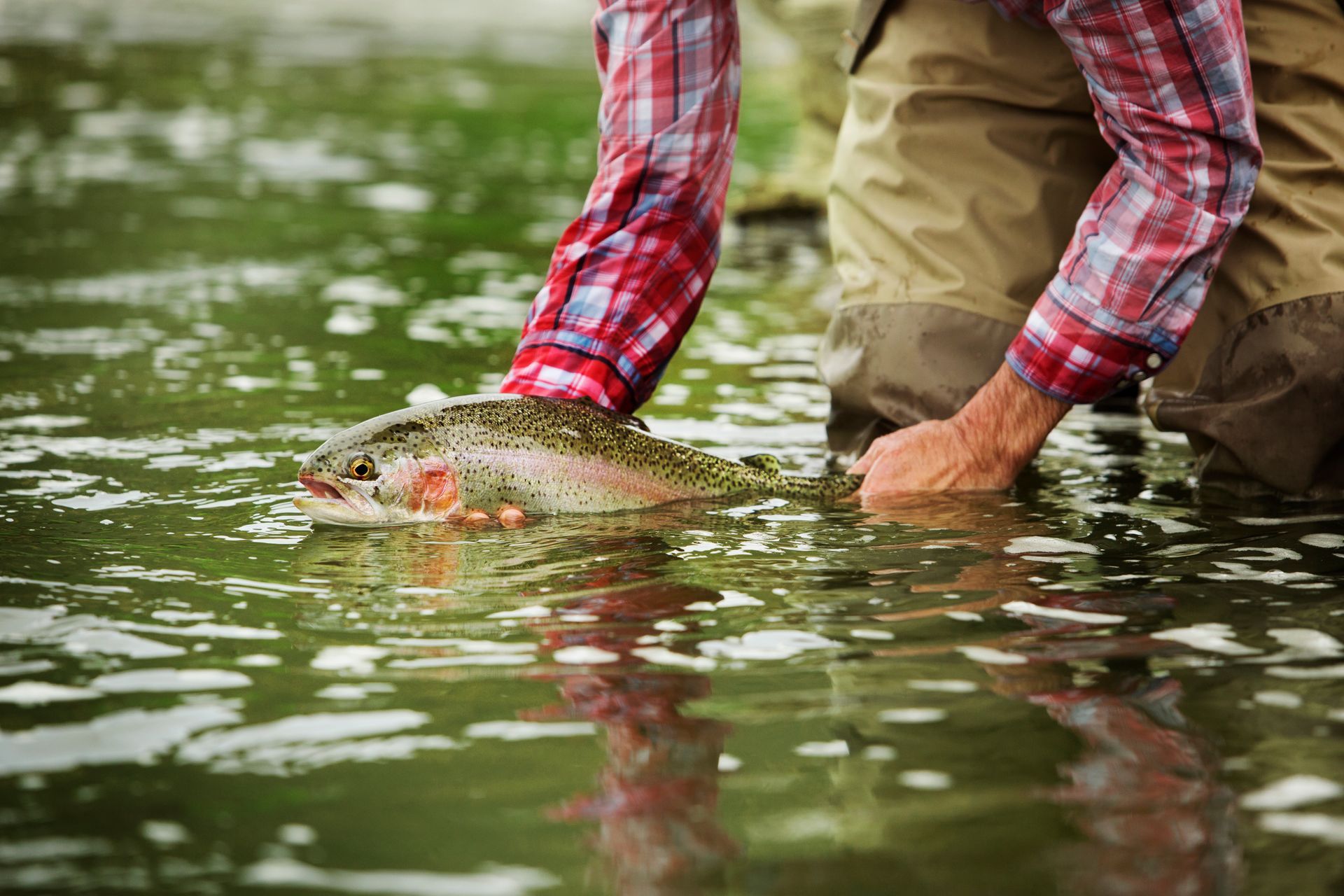
- Fish: Rainbow trout, cutthroat trout, and whitefish fill the rivers
Summertime Activities
- Dawn or Dusk Hikes: Plan sunrise or sunset hikes to catch animals at their most active
- Forest Foraging: Give berry foraging a try. Just be sure to follow safe and sustainable foraging practices
- Fishing:
Anglers can enjoy catch-and-release fishing in the many rivers, lakes, and streams around the valley
Fall in Winthrop: Life in Decline
A cool wind is the first sign of summer transitioning into autumn. Fall brings shorter days, brisk weather, and colorful foliage to the valley. In nature, autumn is a season of abundance, but also preparation. It’s a final burst of vibrancy before nature takes its winter rest.
Autumn Plants
- Trees: Subalpine larch, vine maple, and aspen trees burst into color
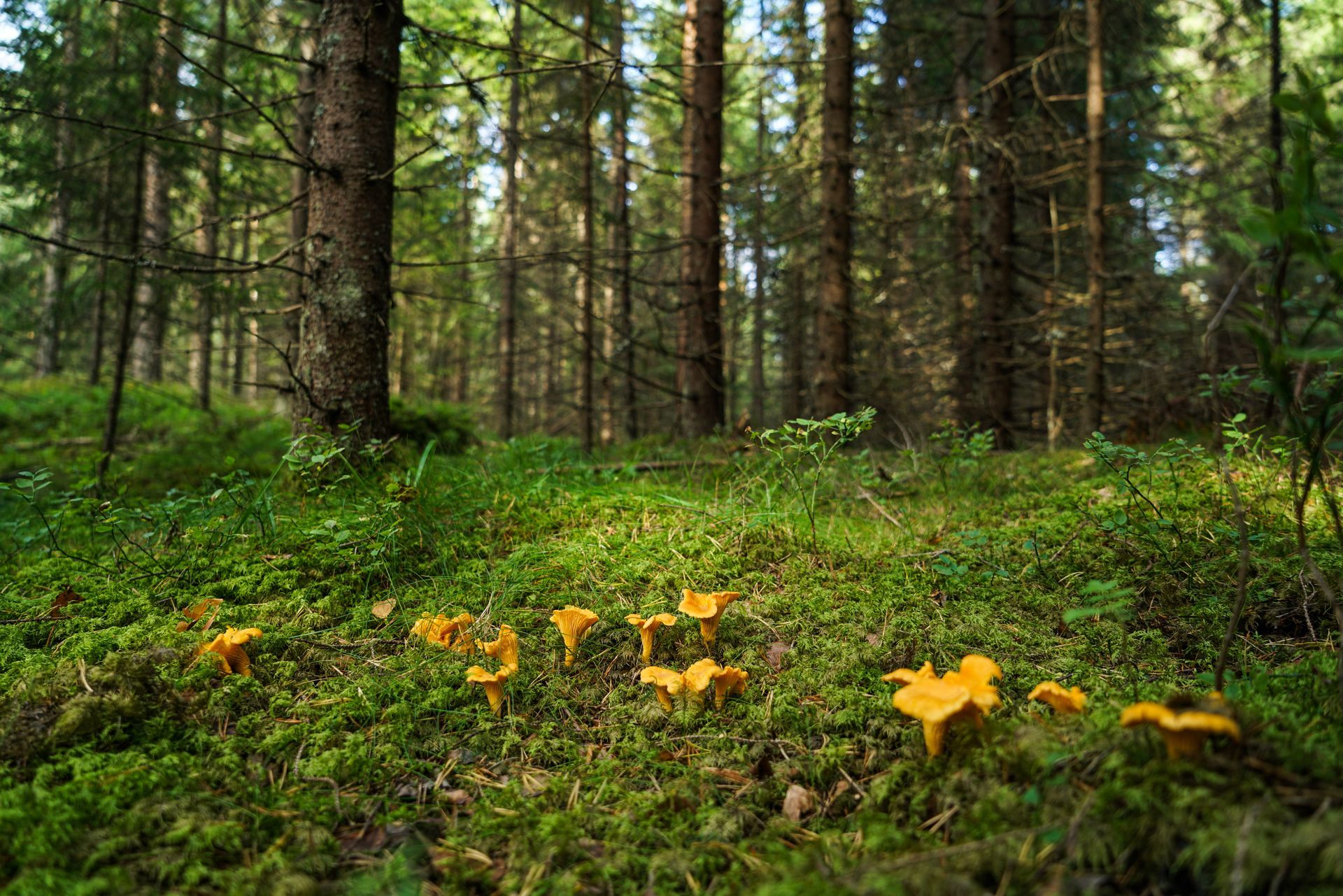
- Mushrooms: Honey mushrooms, wood woolly foot, and several varieties of chanterelle pop up with autumn’s rainfalls
- Flowers: a couple of autumn blooms like aster and stick geranium, dot the landscape
- Brushes and Shrubs: Rabbitbrush and sagebrush will continue to flourish late into the season
Autumn Animal Sightings
- Small Mammals: Squirrels and beavers steadily work on stocking up for winter
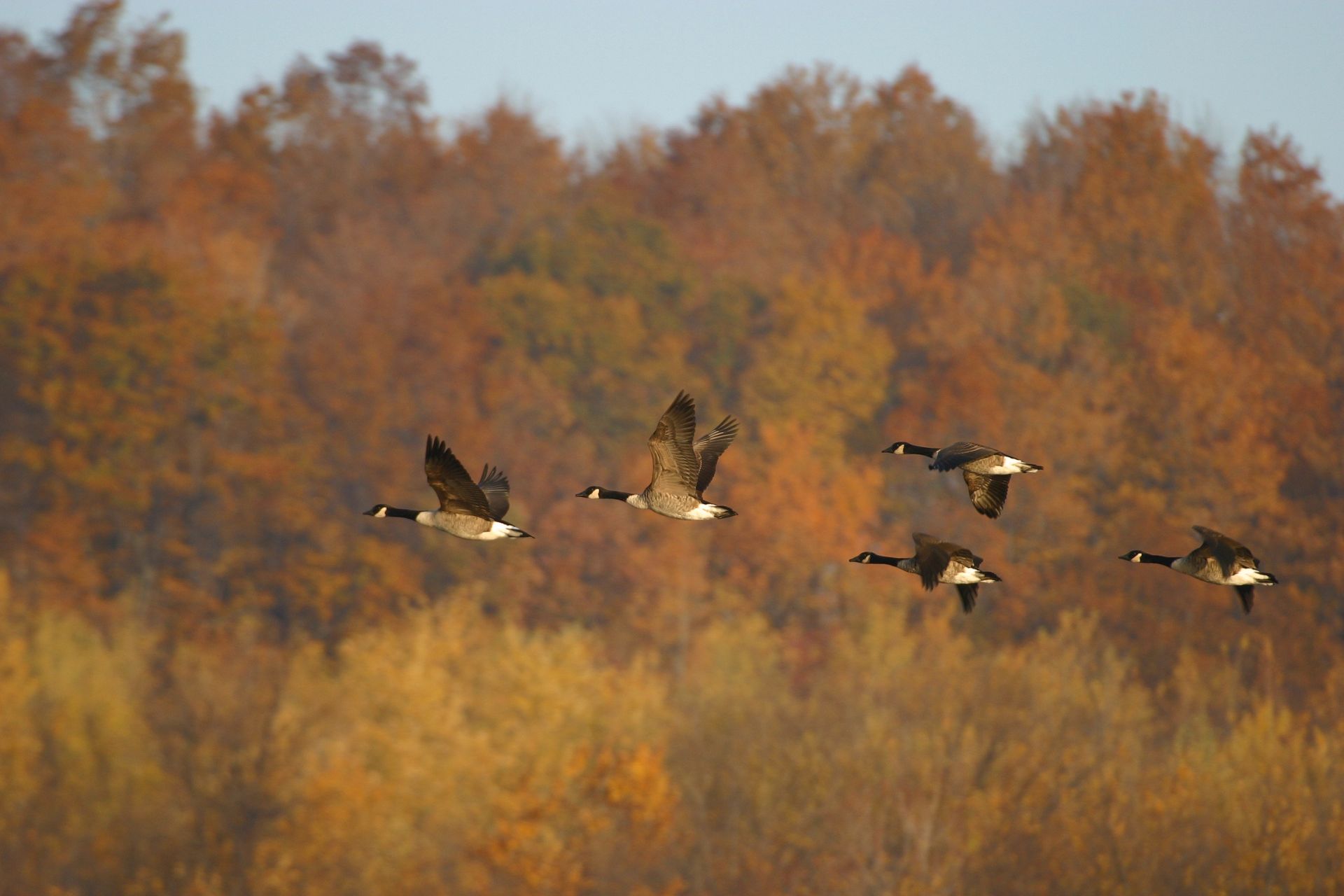
- Migratory Birds: Canada geese migrate south in dramatic formations
- Mule Deer: The large herds move through the valley on their migratory route
- Predators: Bears, cougars, and lynx increase activity to increase fat stores before the cold sets in.
- Fish:
Mountain whitefish and trout begin spawning, and Salmon begin their migration
Autumn Activities
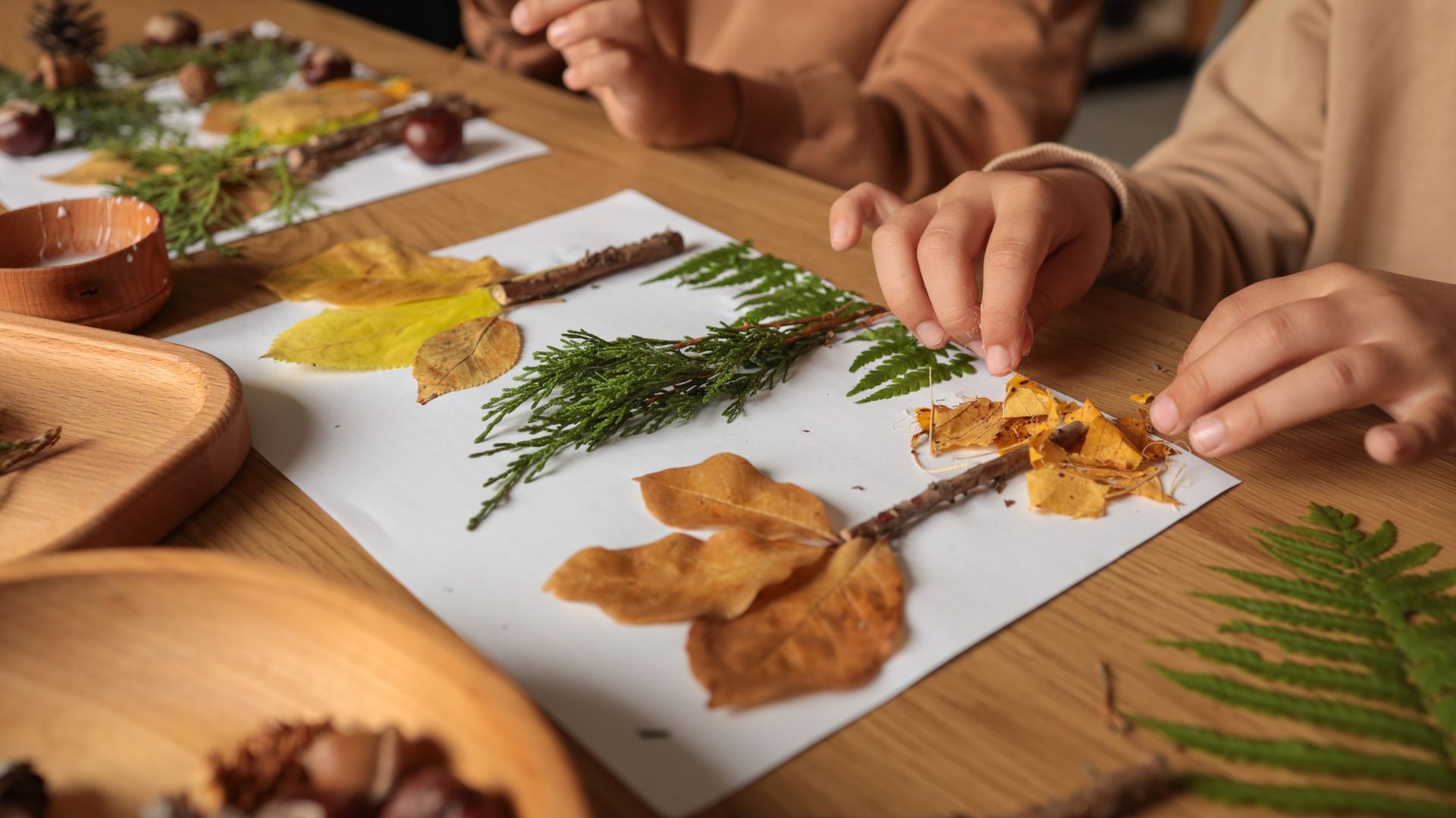
- Scavenger Hunt: Create an autumn scavenger hunt for colorful leaves and wildlife signs
- Arts and Crafts: Gather a few leaves and pinecones for some nature-inspired arts and crafts
- Leaf Peeping: Take a peaceful walk or drive to enjoy the fall foliage
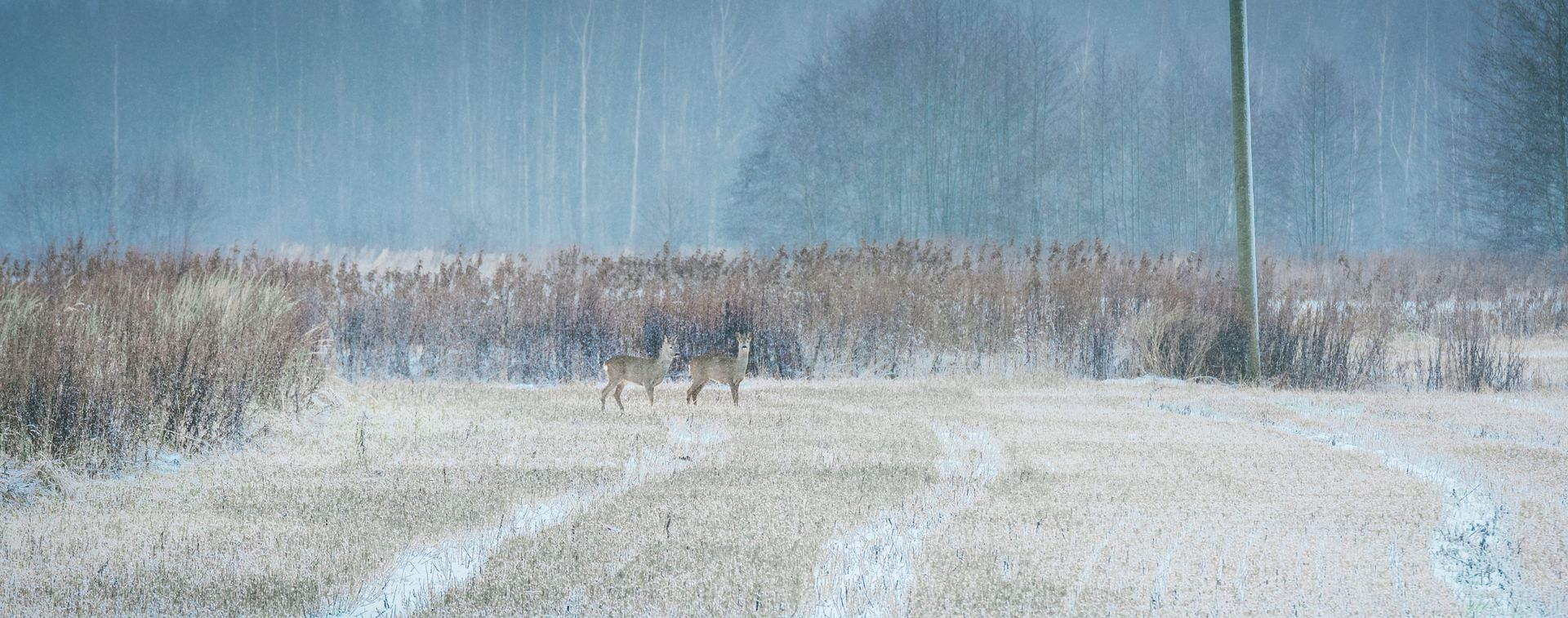
Winter in Winthrop: Life at Rest
Some people believe that nature dies in winter, but that’s not true. While many plants and animals hibernate through the season, there’s still so much life! Amidst all the winter snow is a quiet, magical environment. Though the landscape appears still, wildlife continues to thrive in fascinating ways.
Winter Plants
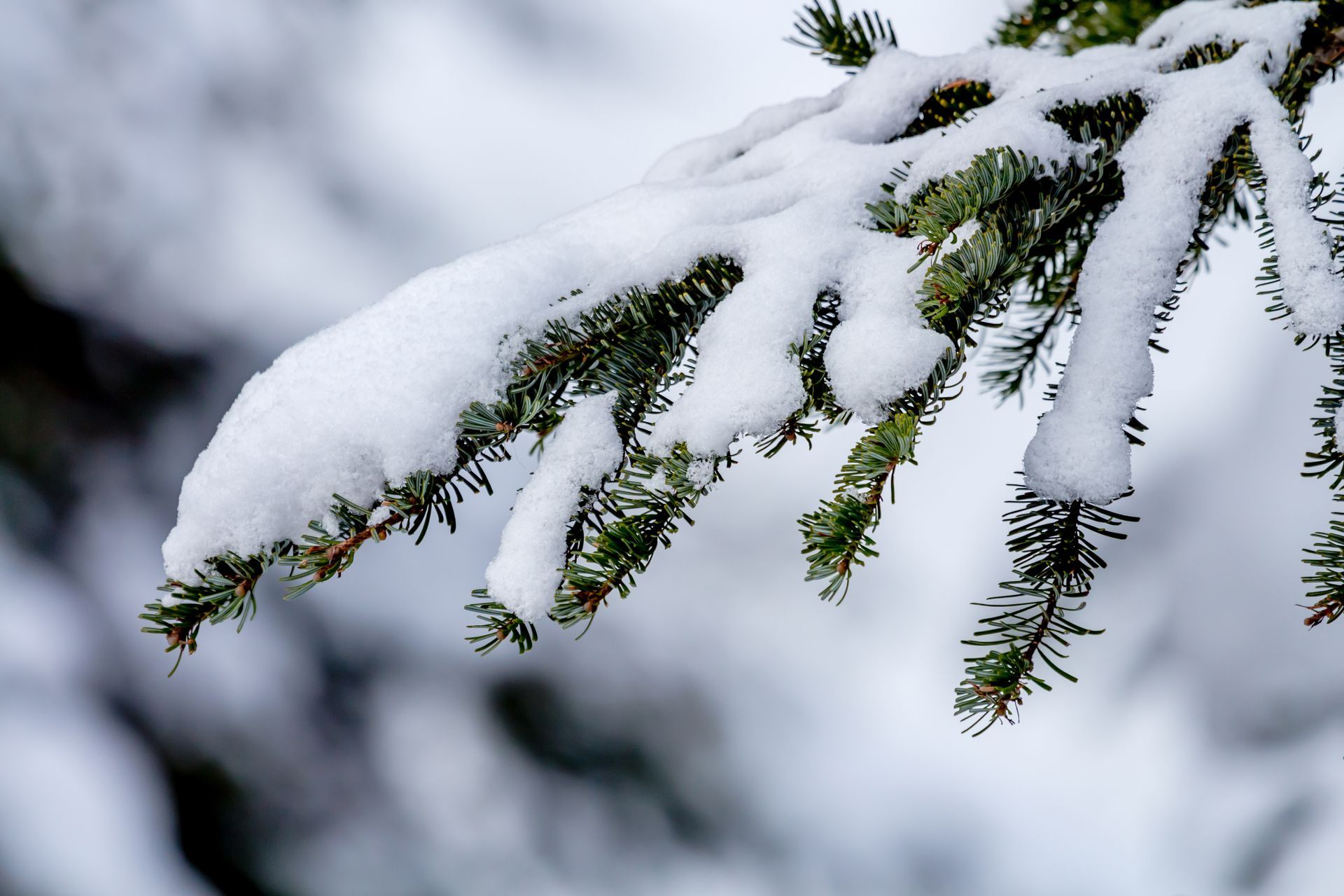
- Conifer Trees: Thousands of pines, firs, and cedars fill the mountains and valleys with green
- Winterberries: Nannyberry and bearberries offer fruit to the wildlife of the region
- Brush and Groundcover: Sagebrush, Oregon grape, and winter heather provide pops of color
Winter Animal Sightings
- Birds of Prey: Majestic bald eagles, golden eagles, hawks, and even owls fly through the snow
- Other Birds: Red-winged blackbirds, American goldfinch, warblers, quails, and more can be seen and heard all season
- Predators: Coyotes and bobcats, lynx, and wolves are common in the area
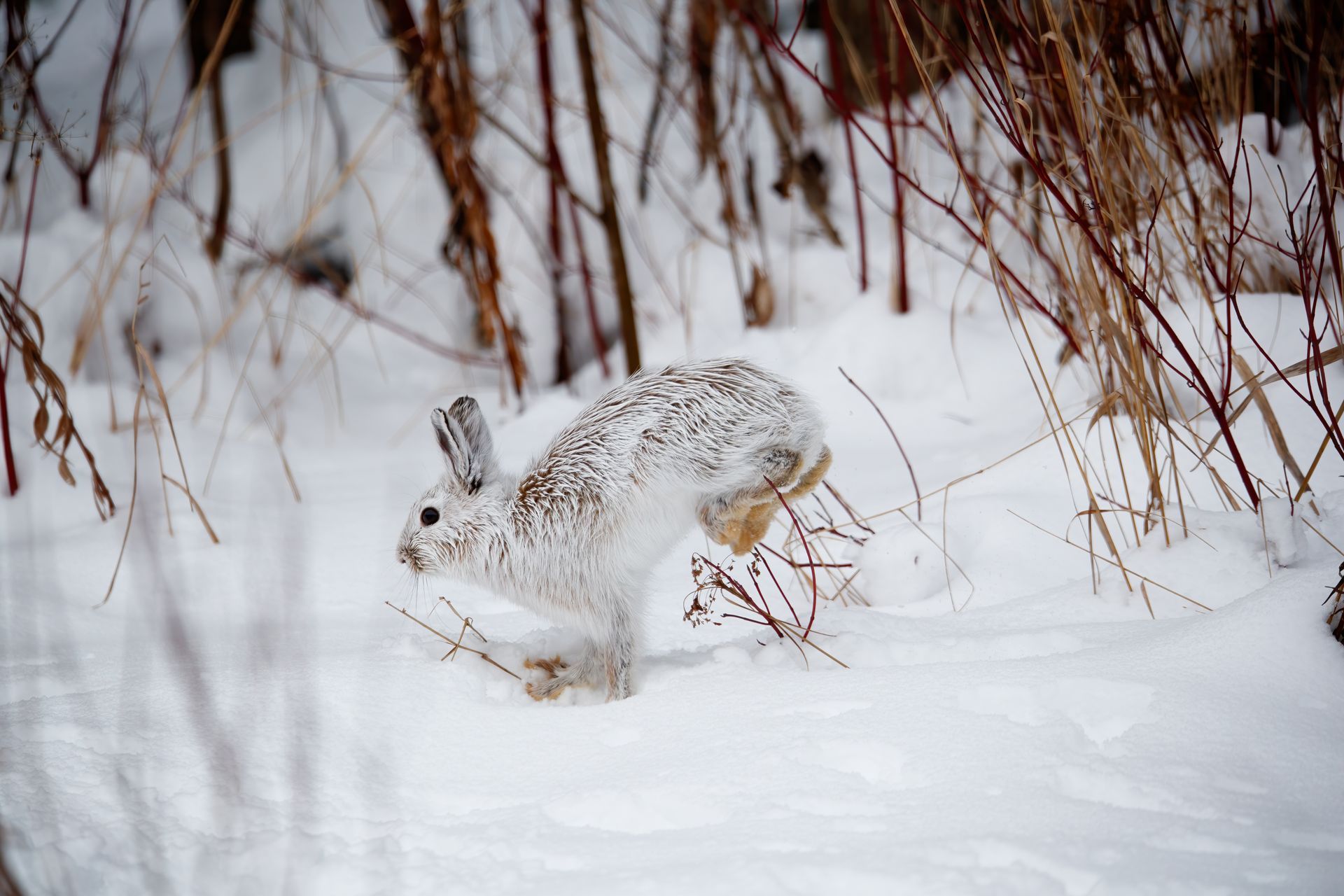
- Small Mammals: Smaller mammals like snowshoe hare and ermine continue to thrive in the winter
Wintertime Activities
- Winter Trails: Explore the Methow Trail System by snowshoeing or cross-country skiing
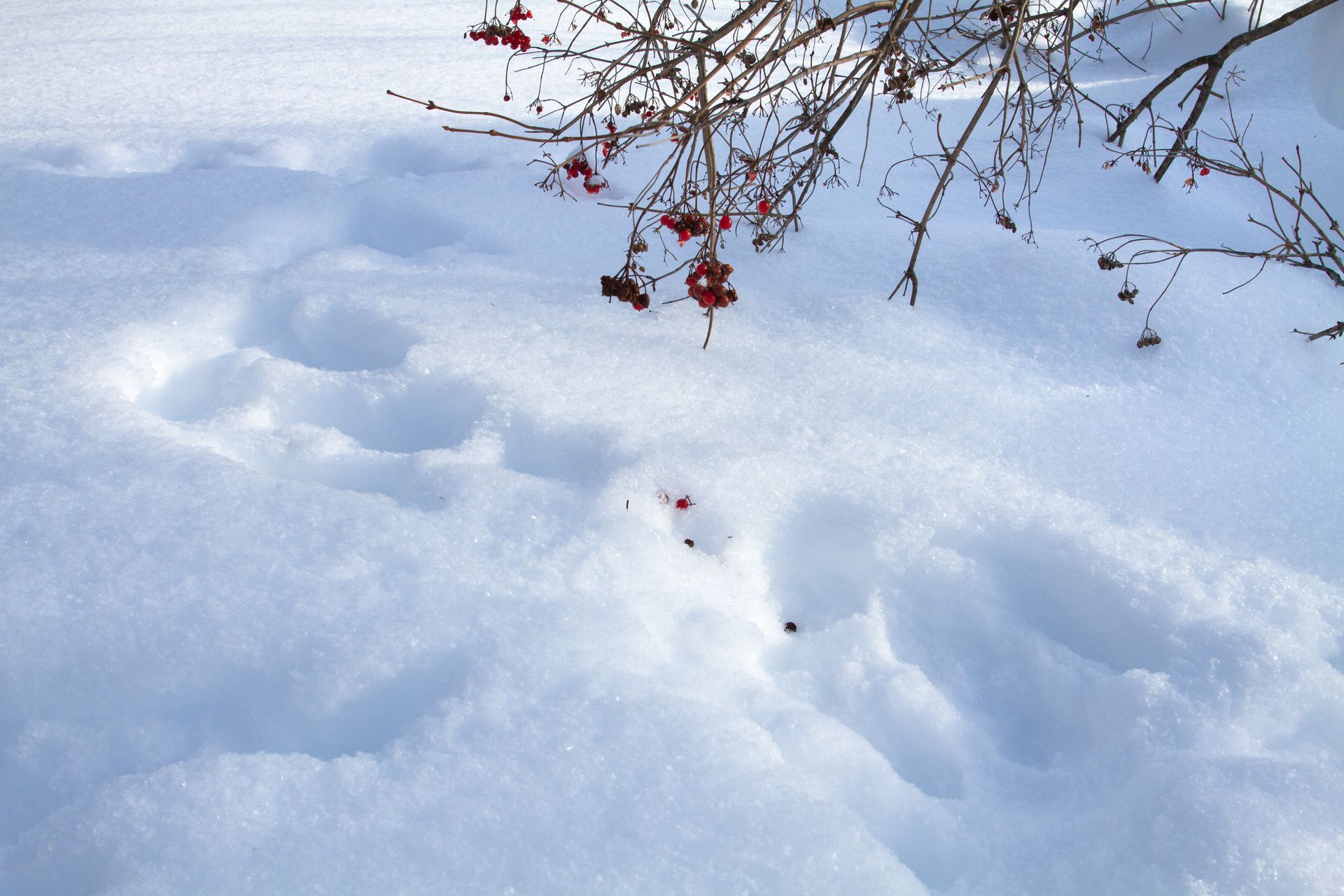
- Tracking: Learn to identify animal tracks in the snow
- Window Watching: Set out birdseed and enjoy wildlife from the warmth indoors
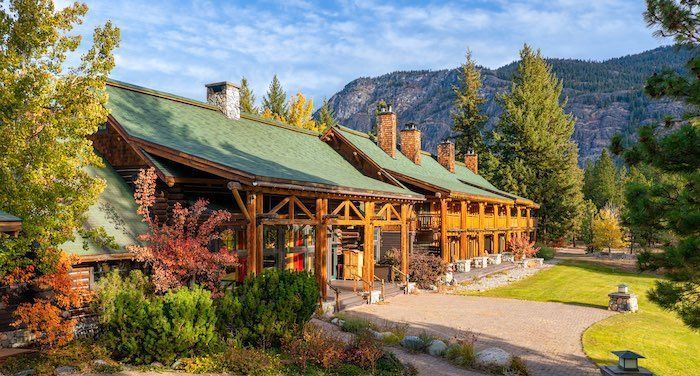
Stay at Freestone Inn & Cabins
To fully immerse yourself in the beauty of the Methow Valley, you should stay in the valley’s heart at Freestone Inn & Cabins.
Located in Mazama, just a few minutes from downtown Winthrop, Freestone Inn offers comfort and privacy. Whether you stay in a comfortable hotel room or one of our cozy cabins, all our guests can enjoy all the beauty of Winthrop’s wildlife right outside their door!
No matter the season or the weather, come enjoy splendid isolation in the serenity of nature when you book your stay today!
