

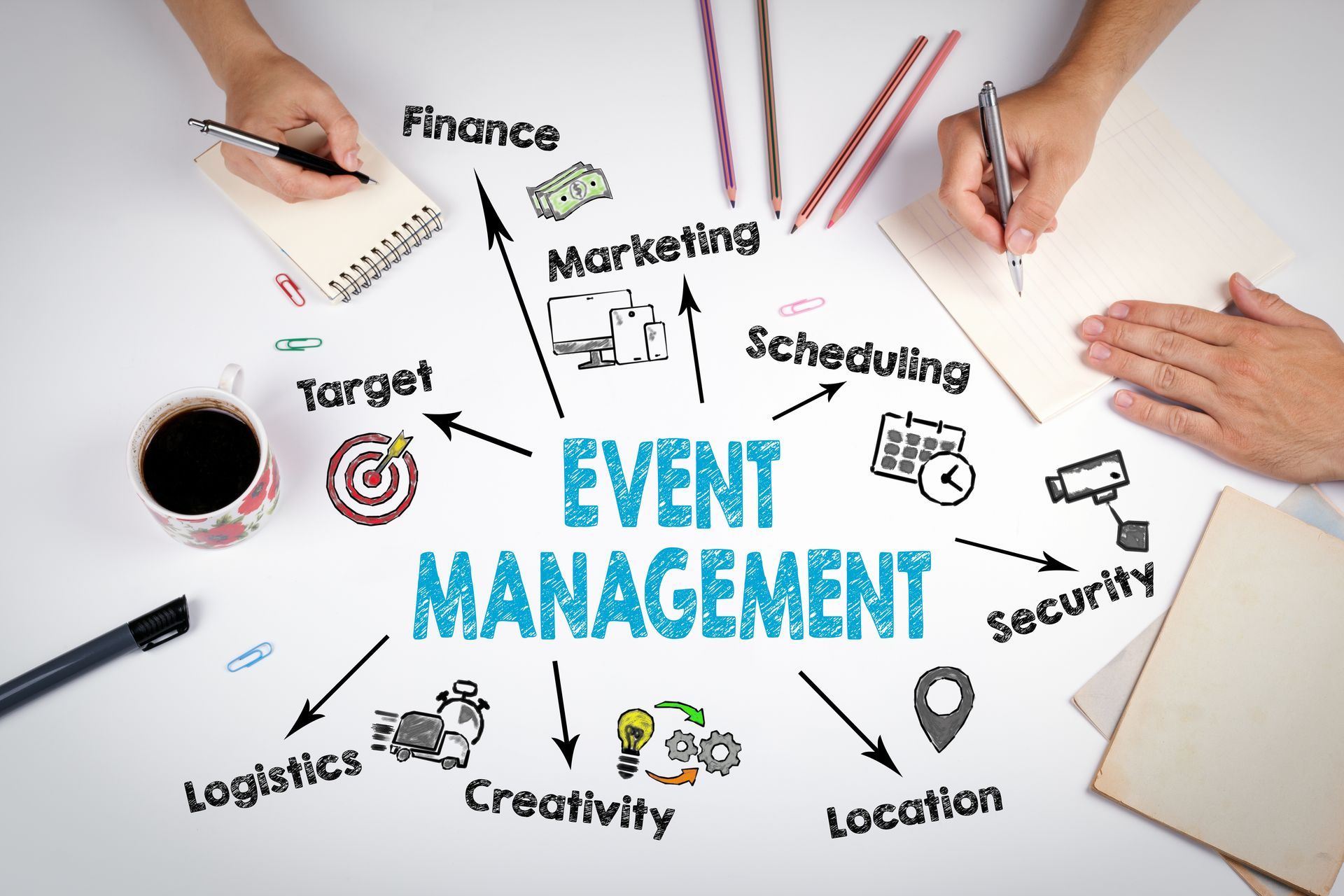
A Guide to Planning the Perfect Event
Who is this article for? Proactive individuals planning their first retreat, convention, or other big event.
Jump to a Section:
- Step 1: Determine Your Purpose
- Step 2: Assemble Your Committee
- Step 3: Choose Your Venue
- Step 4: Build Your Itinerary
- Step 5: Promote The Event
- Step 6: Prioritize Your Attendees’ Experience
- Step 7: Reflect After The Event
- Plan Your Event at Freestone Inn
Event planning isn’t for the faint of heart. Whether you’re
planning a wellness retreat, a creative workshop, a corporate event, or a reunion, there are a lot of moving parts to consider, but that doesn’t mean they aren’t worth the effort. Event planning is often stressful, but it's also fun and rewarding. The key to hosting a successful event is to keep your guests in mind from the beginning. From choosing the perfect venue to designing a balanced itinerary, here’s a step-by-step guide to planning the perfect event.

Step 1: Determine Your Purpose
Every
great plan starts with a clear goal. Before booking a venue or scheduling activities, you need to understand the purpose of your event. Ask yourself what you want your attendees to gain from the experience and how you want them to feel when they leave. This will help guide the rest of the planning, as you’ll be able to base decisions around what will help you achieve that vision.
Example: Wellness Retreat
Purpose: To promote positive habits for better physical, mental, and emotional health.
Guest Experience: Guests should feel energetic and engaged throughout the event, and leave feeling refreshed and inspired.
What You’ll Need: A comfortable environment with a lot of space for physical activities and workshops.
Step 2: Assemble Your Committee
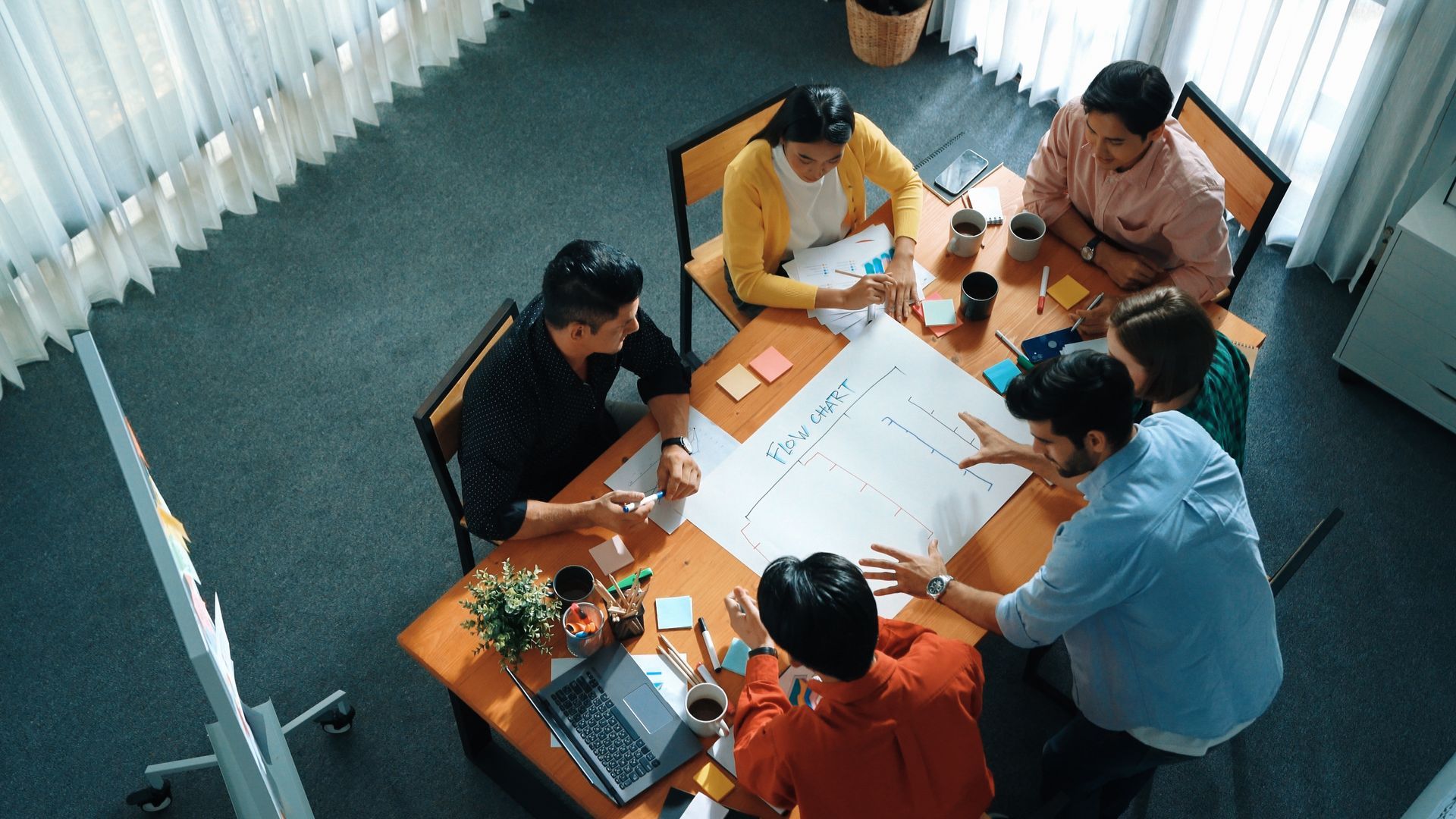
Rome wasn’t built in a day, and neither are retreats or conventions. They also aren’t built by a single person. Big events can take a year or longer to plan and require varying levels of expertise in multiple areas. That’s why you should assemble a team to help you plan.
Find Your Team
Creating a committee of skilled team members will make planning so much easier. Not only will it allow you to delegate tasks to people who are best suited to them, but diverse insights can generate ideas to make your event even better. The key is to make sure that you all share a common purpose and vision.
Your team roles should include:
- A chairman
- A treasurer
- A marketer
- An expert in the field
- An activities director
Delegation and Due Dates
Once your team is assembled, it’s important to clarify everyone’s roles and responsibilities. This is one of the most important and most difficult aspects of planning. Here are some important aspects to settle as soon as possible:
- Communication: How often are you meeting and how are you communicating?
- Delegation: Who is responsible for what tasks? Where are the overlaps? How are you settling disputes over responsibilities?
- Timeline: What order do tasks need to be completed in? What are your due dates?
- Unforeseen Events: What is the procedure for handling unexpected obstacles? What is the chain of command?
Budgeting
Money will play a huge role in your planning. So, you’ll need to understand both sides of budgeting: financing and expenses. The first will help you know how much money you have to work with, and the second is how you’ll spend it.
Financing: How are you raising funds for your event? Sponsors? Loans? Are guests paying a deposit?
Expenses: What are the main expenses for this event? How much can you budget toward each category? How much should be in the emergency fund?
Common event expenses include:
- The venue
- Lodging and transportation (as needed)
- Catering/food
- Entertainment or speakers
- Marketing and promotions
- Decorations and swag
- Insurance or permits (as needed)
Pro tip: Use a detailed spreadsheet or app to divide the budget by category and track expenses.
Step 3: Choose Your Venue
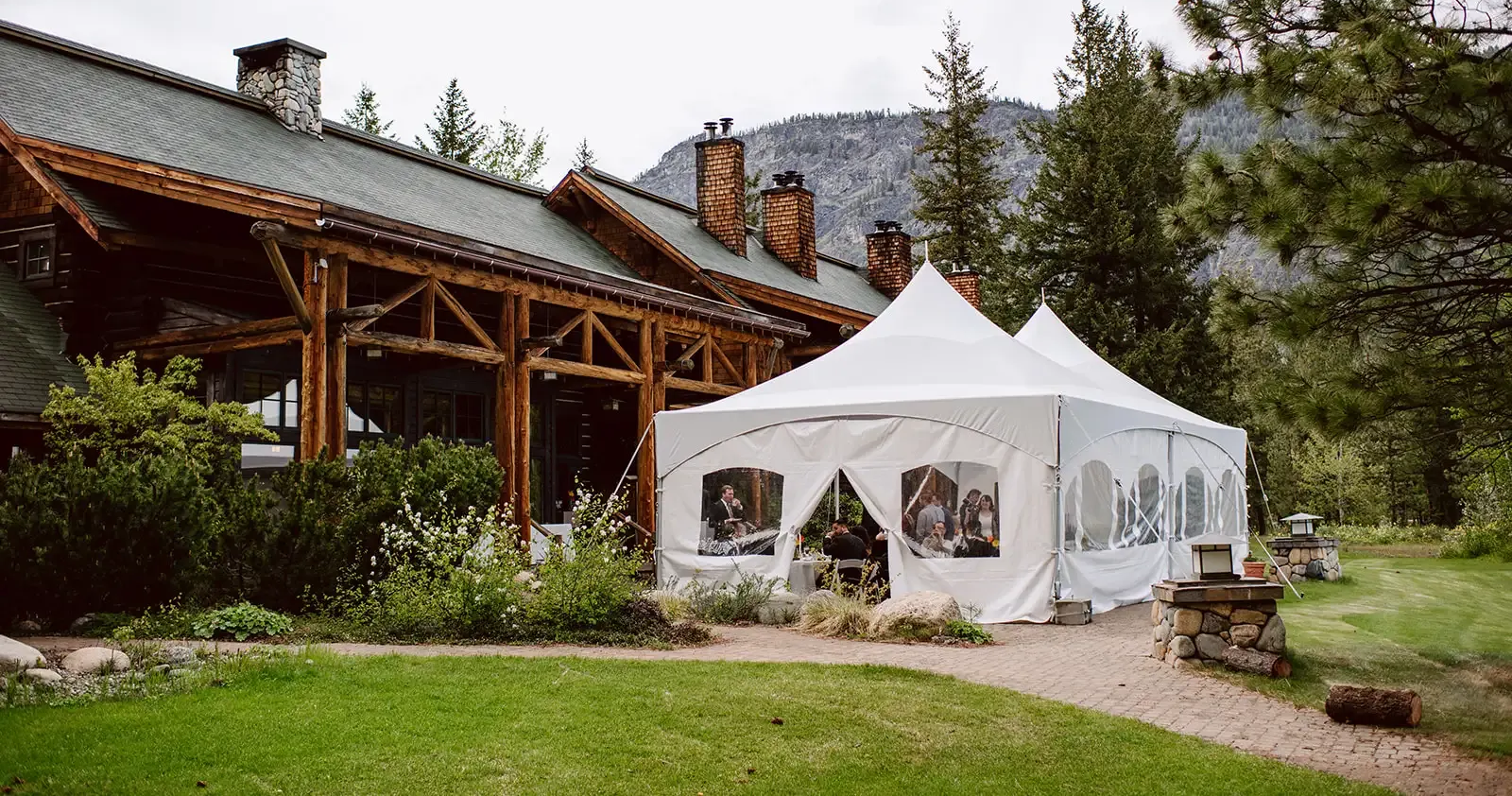
No pressure, but the venue you choose can make or break your event. The right venue isn’t just about finding a location that has the right size, lodging, or amenities (though those are very important considerations). The venue is one of the most important factors in setting the right atmosphere. Making sure the venue matches your purpose is a must.
Considerations for a Venue
Here are some practical considerations when selecting your venue:
- Guest capacity
- Lodging availability (as needed)
- Accessibility (wheelchairs, parking, etc)
- Event space (indoor and outdoor)
- Catering/food options
- Nearby attractions and activities
- Location
- Atmosphere or “vibe.”
Pro Tip: It is important to ask detailed questions before booking, including cancellation policies, setup times, and any restrictions on vendors or decorations.
Pick a Date:
Choosing the right date can have a big impact on the success of your event. Not only does the time of year matter when you are trying to plan activities, but you also need to consider your attendees’ schedules.
Here are some important tips for choosing a date:
- Planning Time: It can take a year or longer to adequately plan a big event like a convention, so make sure you are giving yourself plenty of time to get everything in order.
- Attendee Notice: Your guests may need time to figure out their logistics. Time off work, travel, and babysitters take time to arrange. Make sure you are giving them enough notice to get it all squared away.
- Seasonal Settings: Different seasons offer different vibes that can play a positive (or negative) role in creating the right atmosphere for your event. For example, summer might be best for a wellness retreat, while winter is great for a skier’s meetup.
- Holidays: Not only are a lot of locations closed on holidays (which may limit your venue or activity options), but most people want to spend holidays with family, which may limit the number of attendees.
Pro Tip: If your event relies on outdoor activities, research the weather patterns for that season and location.

Step 4: Build Your Itinerary
You’ve finally reached the fun part, planning the itinerary! One of the most common mistakes is over-scheduling. While activities and sessions are important, guests also need time to relax, socialize, and enjoy the setting.
A well-balanced itinerary often includes:
- Welcome and check-in time
- Group activities or workshops
- Scheduled meals and breaks
- Free time for relaxation or off-venue exploration
- Evening entertainment or social gatherings
- A meaningful closing activity
The best retreats create a natural flow between structured activities and personal downtime.
Retreat and Event Activity Ideas:
- Guest speakers
- Relevant workshops
- Vendors for single-day events
- Social hours
- Keynote address
- Closing activity for feedback and goodbyes


Step 5: Promote the Event
If your event is open for registration, marketing plays a major role in attracting attendees.
Some of the best promotional options include:
- Social media
- Email newsletters
- Sponsorship partners
- Local tourism organizations
- Industry insiders
A picture is worth a thousand words, so try to incorporate strong visual elements in your promotion. Storytelling is especially effective for retreats where the experience is the goal. Instead of only describing the schedule, highlight how guests will feel throughout the event: relaxed, inspired, connected, adventurous, or rejuvenated.

Step 6: Prioritize Your Attendees' Experience
Remember that a retreat or convention isn’t just about you; it’s about sharing an experience with others. Creating an environment that promotes connection and enthusiasm is the secret to success. People may not remember every detail of the schedule, but they will remember how the event made them feel, so here are some tips to help you prioritize your attendees’ experience:
- Welcome Your Guests: Go out of your way to welcome your guests. Put up banners, have meet-and-greets, and give them some swag. Show them how happy you are that they came.
- Maintain Clear Communication: Make sure your attendees know who to contact and how to communicate their needs with organizers. Ensure multiple methods of communication are available.
- Plan for Surprises: Something unexpected is bound to happen, so be prepared. Have a list of backup activities, alternative food options, and cancellation policies in place.
- Safety First: Make sure all guests include emergency contact information as part of their registration. Know where first-aid equipment is, and (in worst-case scenarios) where the nearest emergency rooms are located.
Step 7: Reflect After the Event
Your job doesn’t end when everyone goes home. Follow-up and reflection are also important parts of event planning. Not only will this contribute to the attendee experience, but it will help you plan even better events in the future.
Follow Up:
Send thank you messages, share photos, and follow up with guests to help maintain connections and build excitement for future events.
Reflect:
Take time to evaluate what worked well and what could be improved. Feedback from attendees, vendors, and staff can provide valuable insights for future planning. Every retreat or gathering becomes a learning experience that makes the next one even better.
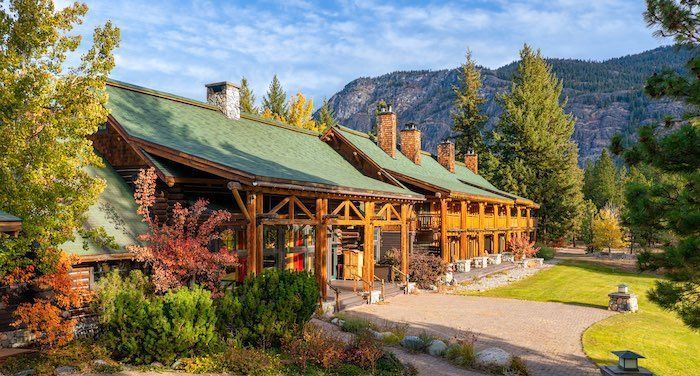
Plan Your Event at Freestone Inn
If you are looking for a fantastic event venue near Winthrop, Washington, plan with us at Freestone Inn! Located in the heart of the Northern Cascades, our mountain lodge is the perfect spot for your next retreat, reunion, wedding, or gathering.
With beautiful indoor and outdoor event spaces and on-site lodging options, our inn makes logistics easy. And with plenty of year-round outdoor activities and entertainment in Methow Valley, there’s plenty for your attendees to enjoy.
Learn more about how you can
plan the perfect event at Freestone Inn.
